Reborn
Women reclaiming their lives after deconstruction
Reborn explores the experiences of incredible women who bravely left their worldviews and support systems behind to face their demons and find agency, freedom, and empathy. Their stories are power and reclamation. I am grateful for their openness, honesty, and trust. They are the pulse of this project.
My Story
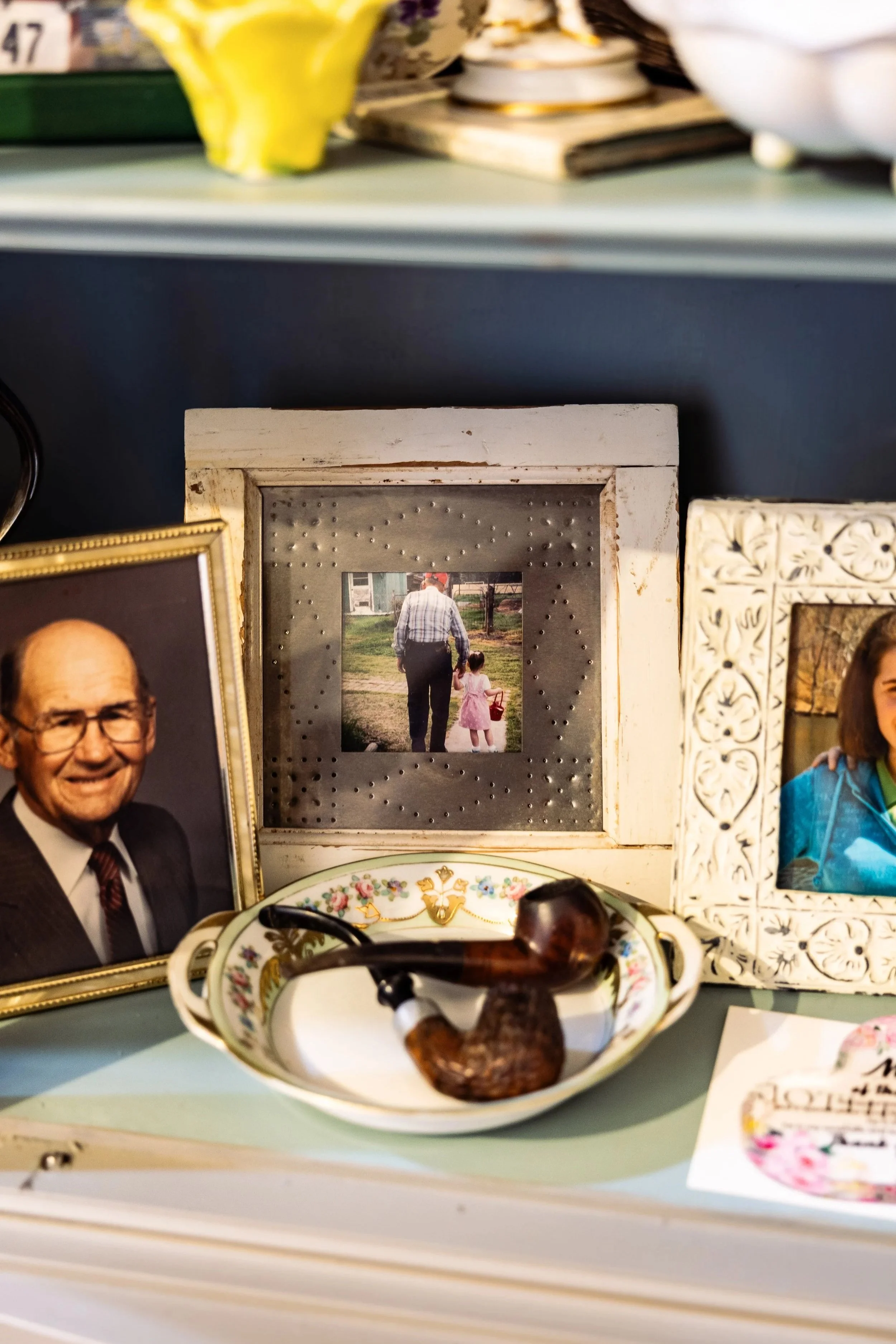
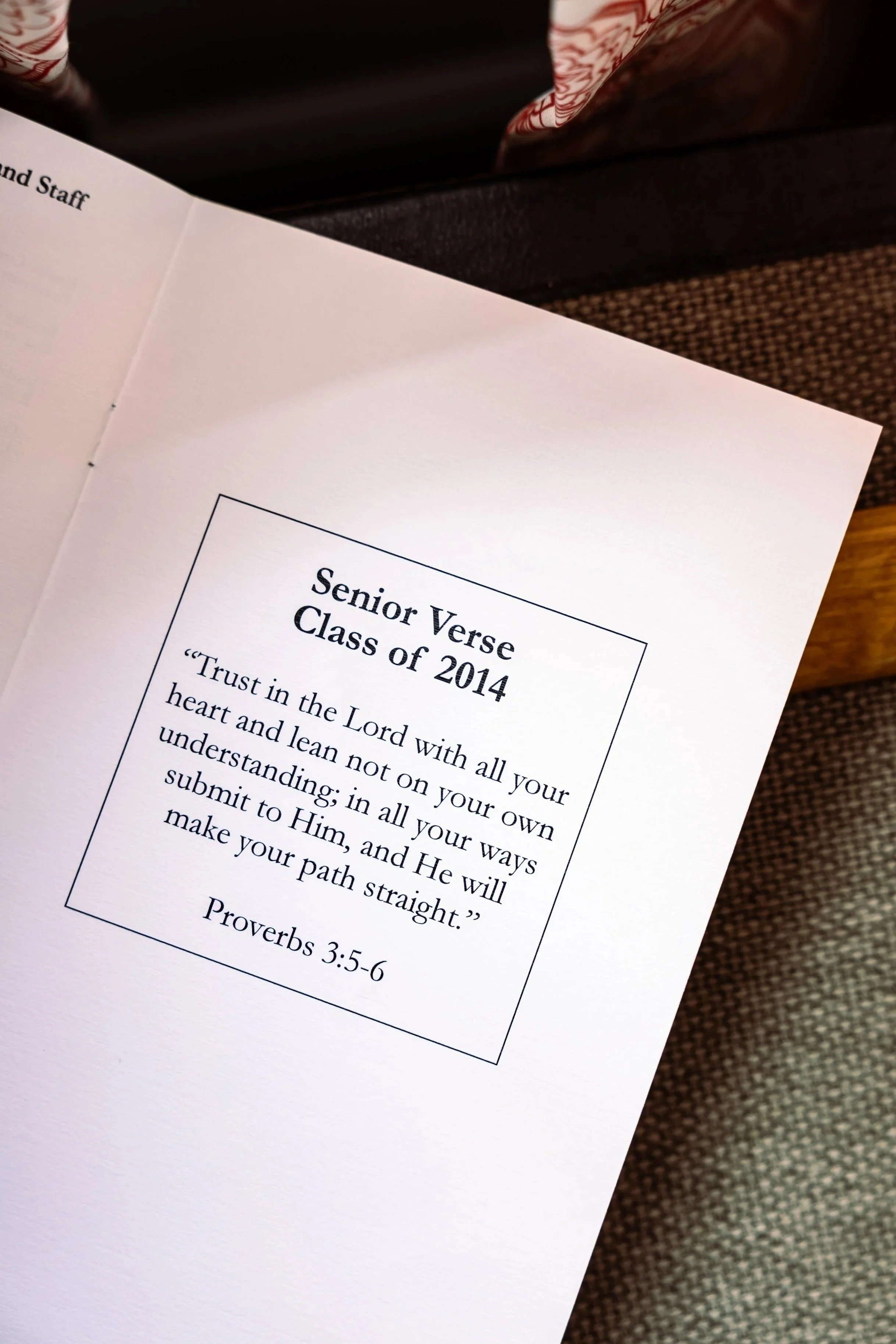
I went to an evangelical high school in Little Rock, Arkansas. It was small and affordable, and at 15, I was recovering from a mental health spiral brought on by undiagnosed ADHD. I had been taken out of school, and this new environment seemed to be what a burned-out teenager needed: structure, support, and smallness. I had spent my childhood in the South and grown up in the Methodist Church. My childhood had been religious, but not charismatic or cruel. This high school was different. It baptized me into an all-encompassing world that I would spend my young adulthood deconstructing, piece by piece. At 15, I had no idea that I was embarking on a spiritual journey that would shape my education and career. I was reading textbooks written by the same lobbying groups influencing Congress today. The Heritage Foundation was a household name. There was open discussion of a religious reckoning—that the United States should be a theocracy. One teacher was convinced Obama was an antichrist. Another told us women did not need the right to vote because men were the heads of their households. I was told to leave the soccer field and take off my yoga pants because I was tempting the boys practicing nearby. My interest in psychology was called demonic. When a worldview questionnaire labeled me “communist,” I was asked to announce the result to the class. My curriculum intertwined nationalism with a narrow interpretation of the Bible. Education was indoctrination. I was being prepared for marriage and submission to authority, not for life and its nuance. Fifteen years later, I have a deeply personal understanding of the political crisis unfolding nationally. That knowing began in Little Rock. For years, I kept these experiences to myself. I needed time to process them and grow. I did not have the courage to silence the condemning God in my head and leave evangelical groups until I was 20. After that, a lot cracked open. MAGA family members attacked me over my views. Friend groups dissolved. Loneliness reignited my soul. I let my concern for humanity permeate my world. Leaning into curiosity saved me. I started a new life where I prioritized learning and independence. I moved far away. Abroad, I witnessed racism in South America and saw the centering of whiteness and patriarchy in United Nations meeting rooms and European metropolitan cities. I began recognizing similar patterns everywhere—the rotten roots I had first encountered at home. Those experiences eventually guided me back to Arkansas to stare White Christian Nationalism in the face. White women are both victims and perpetrators in this system. I believe we have a responsibility to examine our intimate relationship with it. Our experiences must be reflected on and purged if we are to understand how power, privilege, and oppression disguised as God’s love wreak havoc. Our tolerance and silence become a boot on the necks of those who are less protected, while this fearful, black-and-white worldview pits humans against one another. Learning from women who have deconstructed their own beliefs is essential to understanding and challenging the systems that have shaped our country. To be ruthless with harmful systems and compassionate with people…
A
“I knew danger lurked everywhere and that lying and choosing pleasures of the flesh were the ways that evil took hold of your thoughts and your life. I knew that anyone who did any of these things should be avoided and never allowed into my life. Everything they said was tainted. I had never had a strong connection with anyone, nor had I known any depth in my relationships, because there were so very few whom the Church considered “safe.” I had never known a gay person, nor had I any awareness of what sexuality meant through conversations, books, or television. I went to a high-control, religious college to find a Christian husband. I spent years in prayer, reading the Bible, trying to reconcile its interpretations with the original language and generations of culturally incompatible translations. I tried to make being gay okay so I wouldn’t go to hell. Eventually, I came to accept that I could not change this. I was gay. My parents could not accept me as I was, and ultimately, I lost them. My only foundation on this earth was gone. With them no longer wanting a relationship with me, I connected with people who were willing to accept my broken spirit. Over the next two decades, I wrestled with self-loathing, but I also felt a hole inside me begin to heal as I came to a deeper awareness of my own truth. I’m over 50 now, and I’m still learning how to stand in my truth. I don’t need to prove anything anymore. I don’t need to battle anyone. My value is no longer defined by others. I want to be the person I was created to be. I have a personal belief system that tells me I was created out of love. I was not created to be bitter. I was created to remind others that connecting with one another in love is what we are ALL meant to do.”
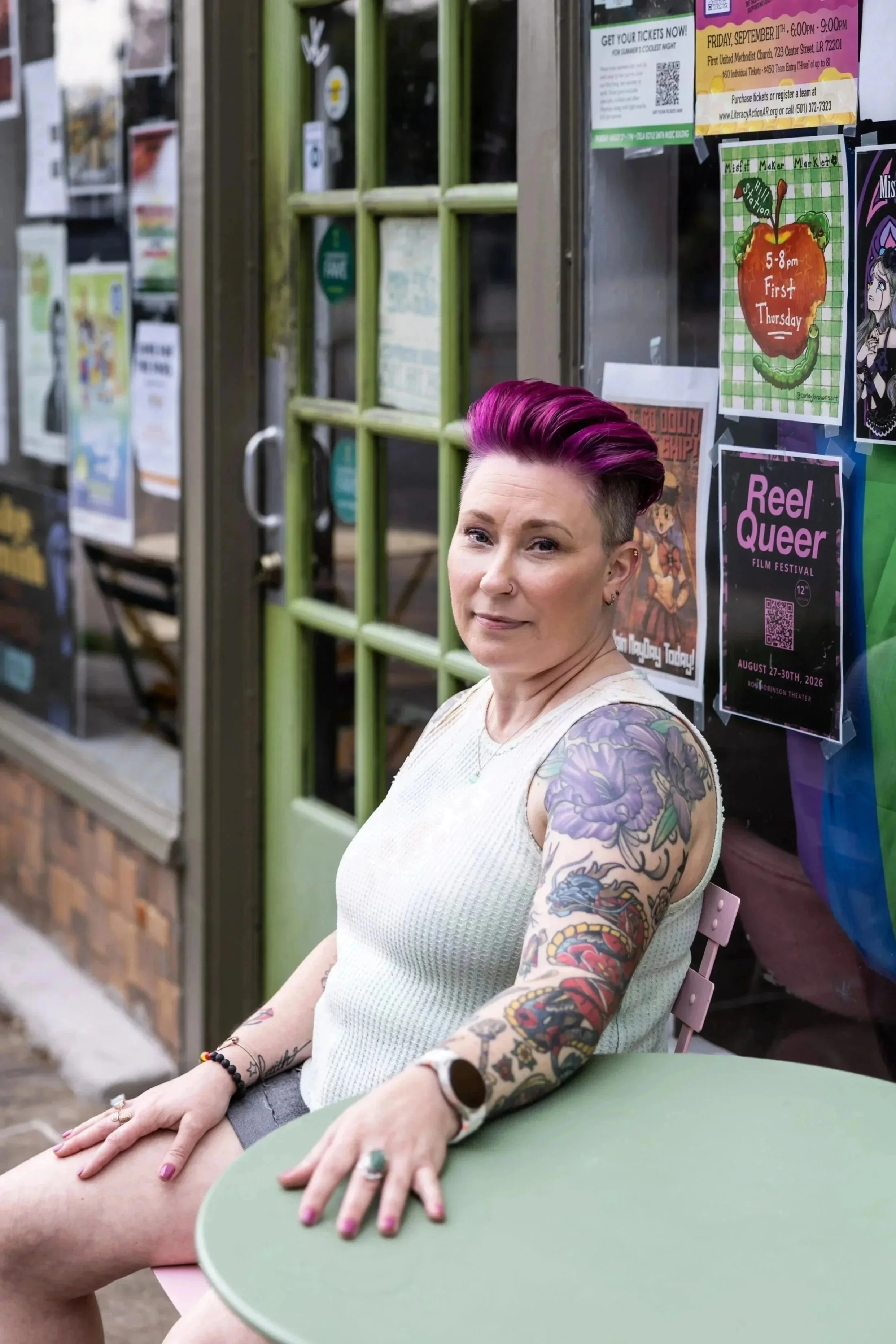
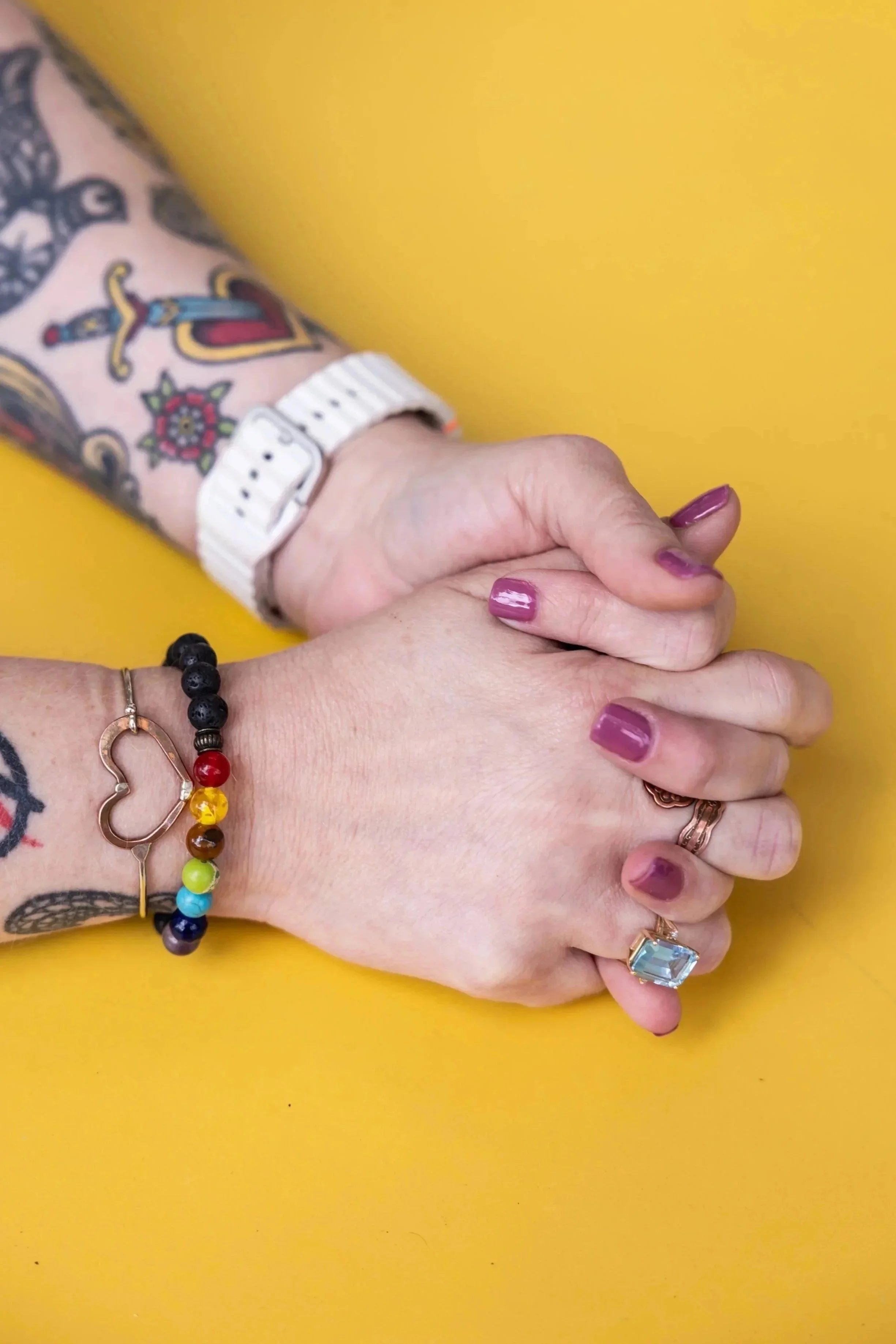
G
“It always seems to start with a desire to please them. I wanted to be that good little girl so they would smile back, give a nod of approval, or offer even the smallest bit of validation that I mattered. All I ever wanted was a sense of belonging to something important and meaningful. Memories of wrinkled fingers pointed in my face as spittle flew from their raving mouths, shaming me and warning me never to question God, still linger in my mind. Those memories compounded over many years as I attempted to please the ordained old men and appease the scowls of the displeased women. As children do, I did what I was taught. Living in constant guilt and shame created by the adults who caused it all, I continued seeking their approval, hoping to be forgiven. But forgiven for what? It was a losing battle. My mother’s attempts to find a “good Christian man” continued to fail. Moving from church to church because she was on the hunt, she threatened the sanctity and safety of our home. The bondage I lived in is beyond the scope of this brief statement. As an adult, I was used to lift up the people who viewed me as shameful. I was dedicated to their church. I was serving, giving, tithing, praying, fasting, and purging. It was never enough, at least not for their God. The way I looked, my higher education, and my family history made me shameful to them. They pulled their children away from me. Women avoided me as though I were going to poison them or their husbands. Pastors feared me because I was an educated, financially secure woman with a voice. I was tolerated, but I was kept hidden. I was used up. The moment I walked away from their system of high-control Christianity was the moment I left my guilt and shame at the cross.”
J
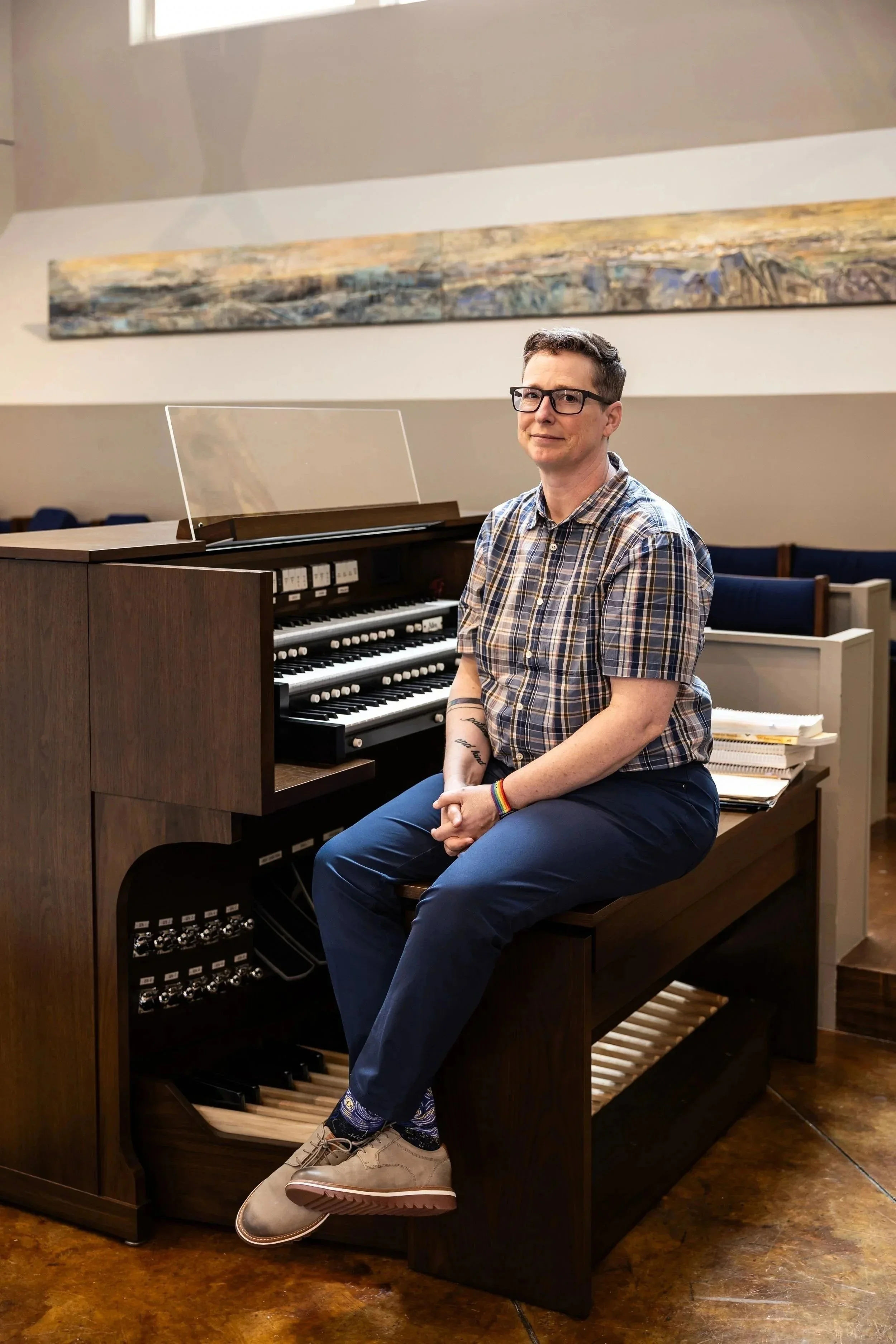
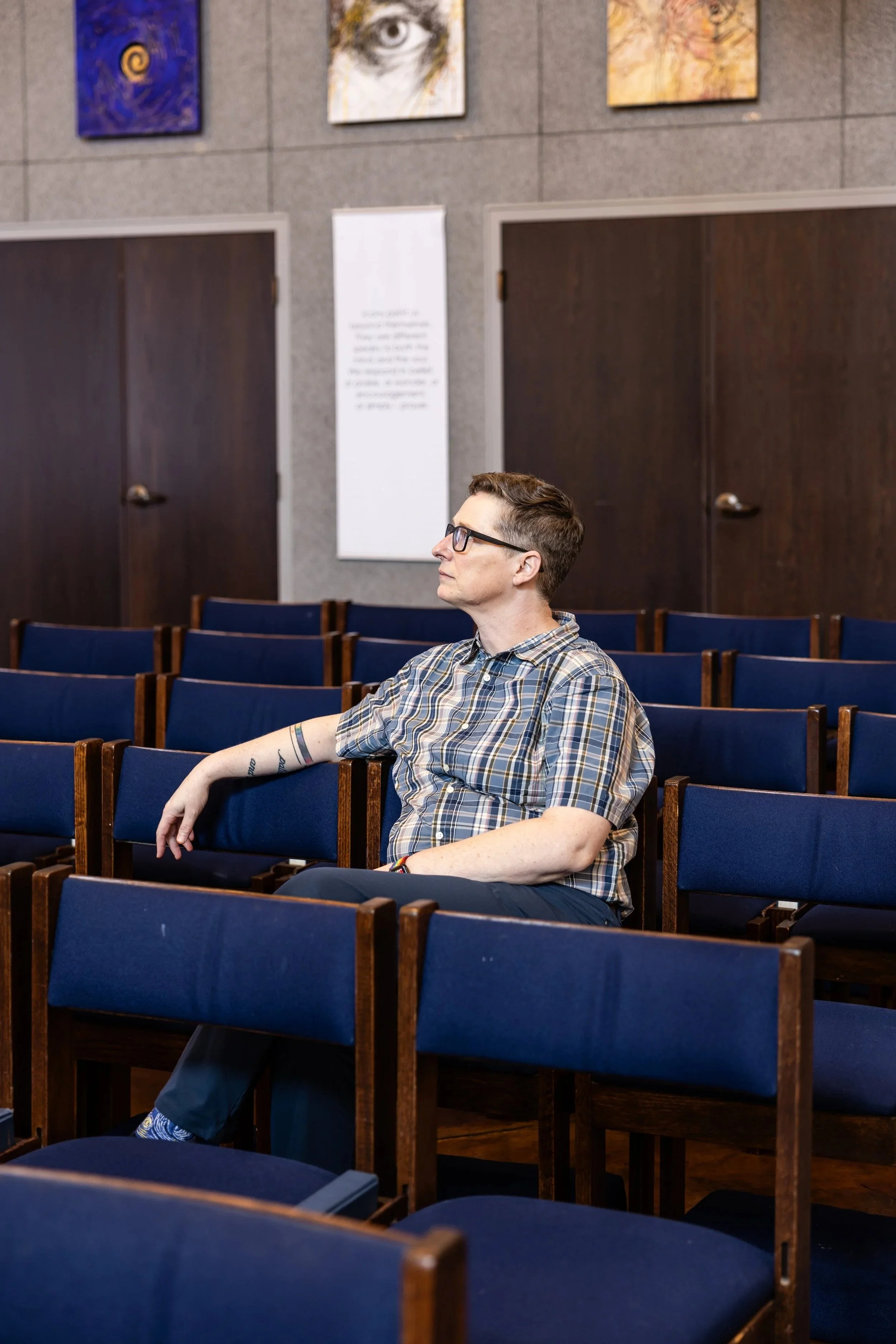
“I was pressured to be "saved" as soon as I reached the "age of accountability." Since my dad was the pastor, the three of us had to look and act "just right" as we were paraded into churches to sing for congregations. The real story of how things were at home was never to be known. They used the Bible to control us, to discipline us, and to make us feel bad about behaviors that were typical of children. We were taught that certain people weren't allowed in church, that other religions "had it all wrong," and that different races worshiped in different ways, so we needed to remain separate. I left in my mid-20s. After graduating from a high-control Christian university and marrying a man—that lasted two years—I came to the realization that I had always been a homosexual. My sheltered upbringing prevented me from learning that homosexuality existed until I was in college. I always knew I was different, but I could not figure out HOW I was different. I am a lesbian. When my parents found out, my mother looked at me, told me I was "going to hell," and asked me to leave. I did not speak to them for five years after that. My dad used me as the subject of many sermons on the evils of the world. For many years, I was the black sheep—until others in my family started coming out. That is when my silence stopped. I would not let the rhetoric continue. I had since found a welcoming Episcopal church and began a new spiritual journey that felt so much more real to me. I began to hear homilies—not of hell, fire, and brimstone, but of LOVE. That we are all created in the image of the Divine to be authentic, to be kind to our neighbors, and to love all of creation. I had finally found a HOME. Since that time, I have a wife and four stepchildren. We are both active in our church, where I am the Director of Music. I co-facilitate a peer support group for survivors of religious trauma and spiritual abuse. I feel it is my calling to help those like me heal the wounds of feeling "not good enough" so that they can live authentic lives, loving others and themselves.”
Want to learn more about high-control Christianity and White Christian Nationalism and their impact?
*This is a consent-based, collaborative process. YOUR story will be honored, and your identity will be protected if requested.
Photos do not have to include your face. Stories are not posted unless you give your approval. Safety is a priority.